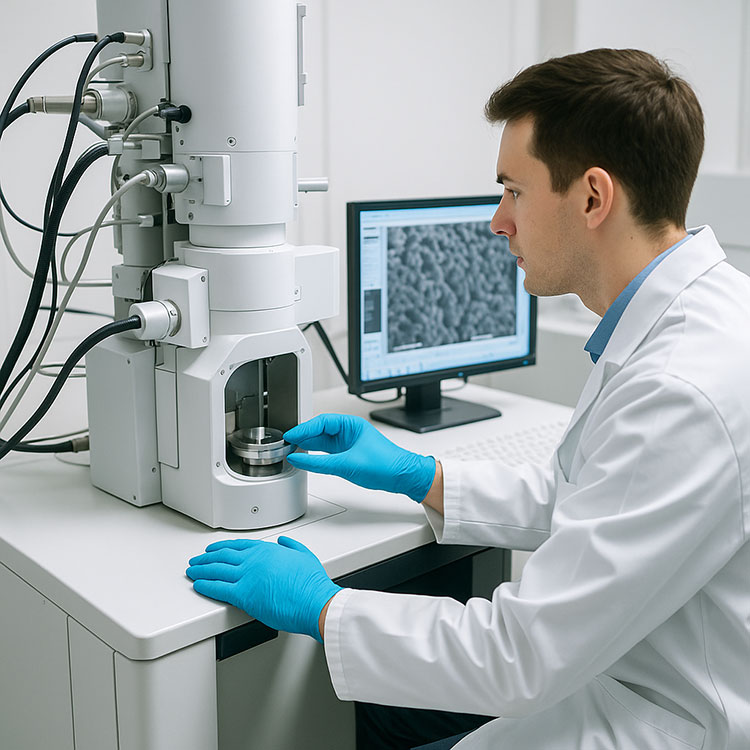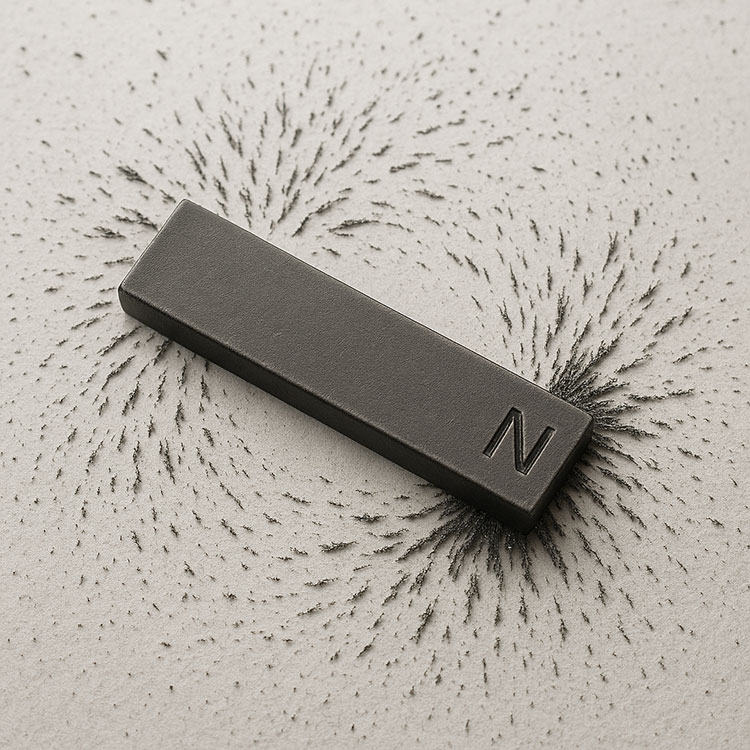
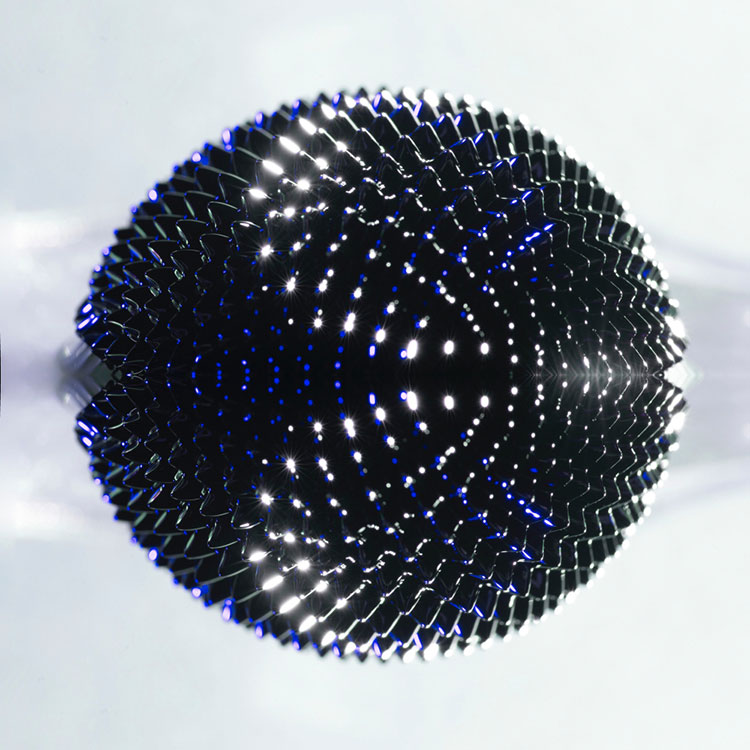
A recent collaboration between research teams from Germany and the United States has led to the development of a new class of magnetic nanomaterials with significant potential for biomedical applications — particularly in targeted cancer therapy and high-precision imaging.
These newly engineered nanoparticles, based on modified iron oxide structures, exhibit superior biocompatibility, tunable magnetic behavior, and enhanced stability under physiological conditions. This makes them ideal candidates for magnetic hyperthermia, a non-invasive cancer treatment method where magnetic particles are directed to tumor sites and heated locally using an external magnetic field to destroy cancerous cells.
What sets this breakthrough apart is the precision control over particle size, shape, and surface functionality, allowing researchers to customize nanoparticles for specific medical tasks — such as drug delivery, MRI contrast enhancement, or even biosensing. Early in-vivo testing has shown promising results, with improved targeting efficiency and minimal impact on healthy tissues.
A Step Toward Personalized Nanomedicine
According to Dr. Helena Krauss, lead materials scientist at the Max Planck Institute for Intelligent Systems, “This is not just a materials breakthrough — it’s a foundational step toward personalized nanomedicine, where treatment is adapted to the patient’s genetic and biological profile using engineered magnetic materials.”
The research also opens the door to hybrid nanostructures that combine magnetic, optical, and chemical properties, enabling multimodal diagnostic platforms — a key trend in the future of personalized healthcare.
Relevance for MagMatNano and Romanian Research
At MagMatNano, the specialization in Magnetic Materials and Nanomaterials at the Technical University of Cluj-Napoca, this breakthrough reinforces the importance of cross-disciplinary research at the intersection of materials science, biology, and medicine.
Local research initiatives on core-shell magnetic nanoparticles and surface functionalization techniques align closely with the approaches explored in the international study. Through continued academic partnerships and international mobility programs, Romanian students and researchers have growing opportunities to contribute to global innovation in biomedical nanomaterials.
Looking Ahead
As the global need for advanced medical technologies continues to rise, magnetic nanomaterials are becoming a critical enabler for next-generation therapies. The recent advancements highlight the importance of investing in nanotechnology infrastructure, interdisciplinary research, and the development of academic curricula — like that of MagMatNano — that equip future scientists to meet these emerging challenges.